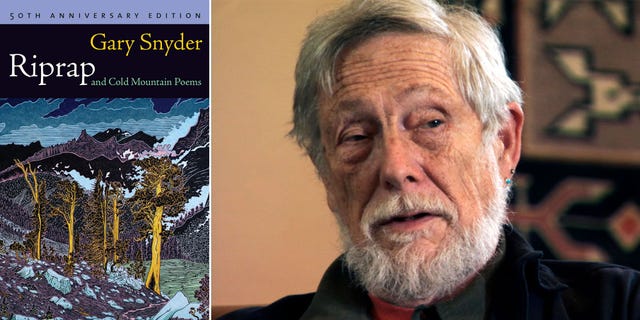
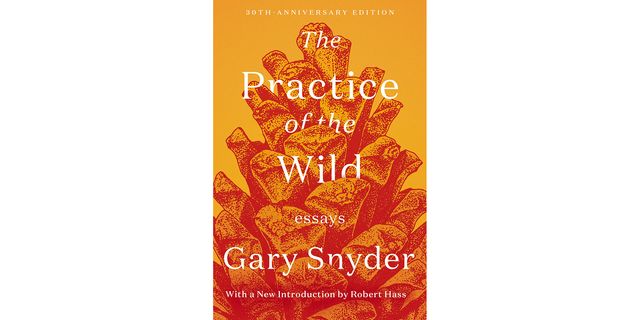
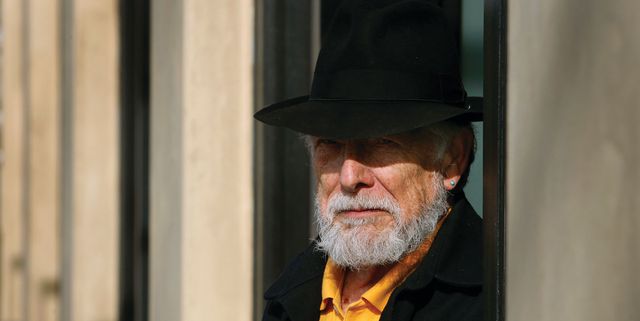
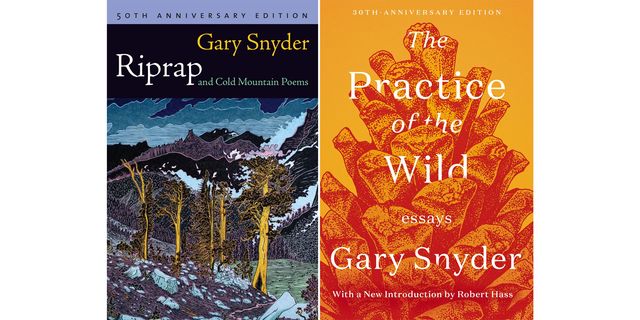
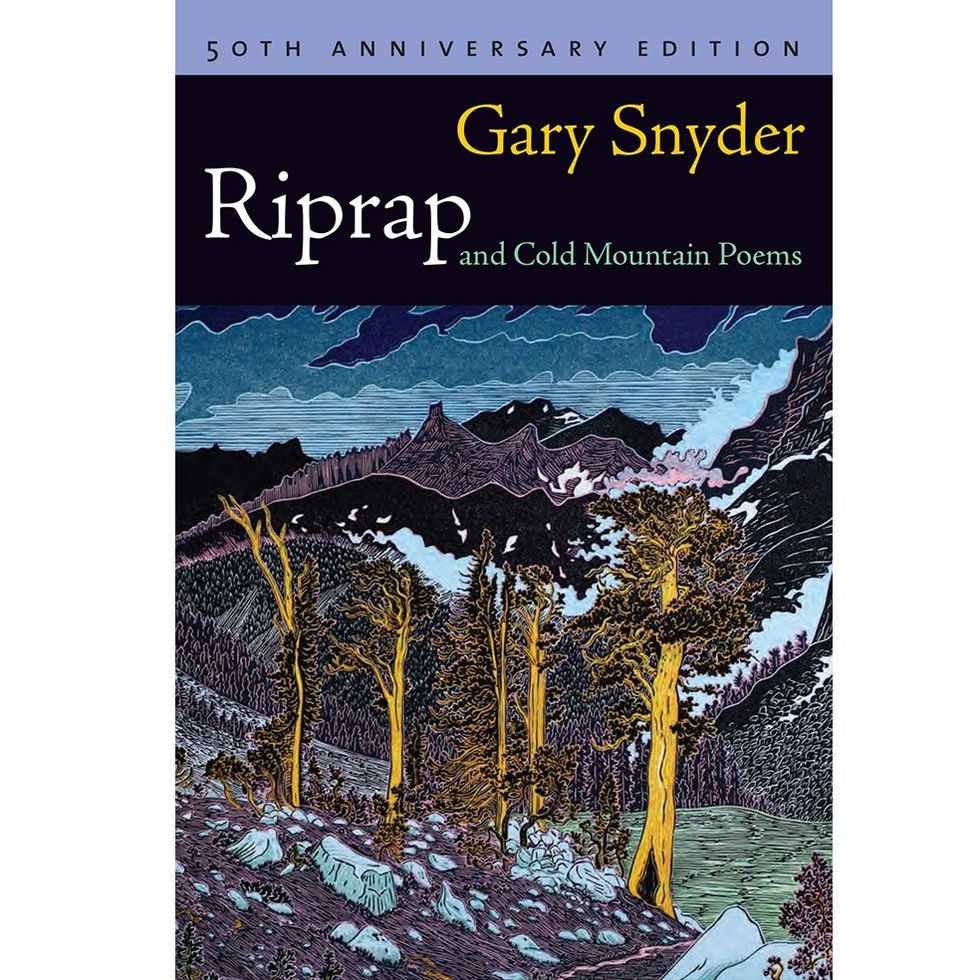
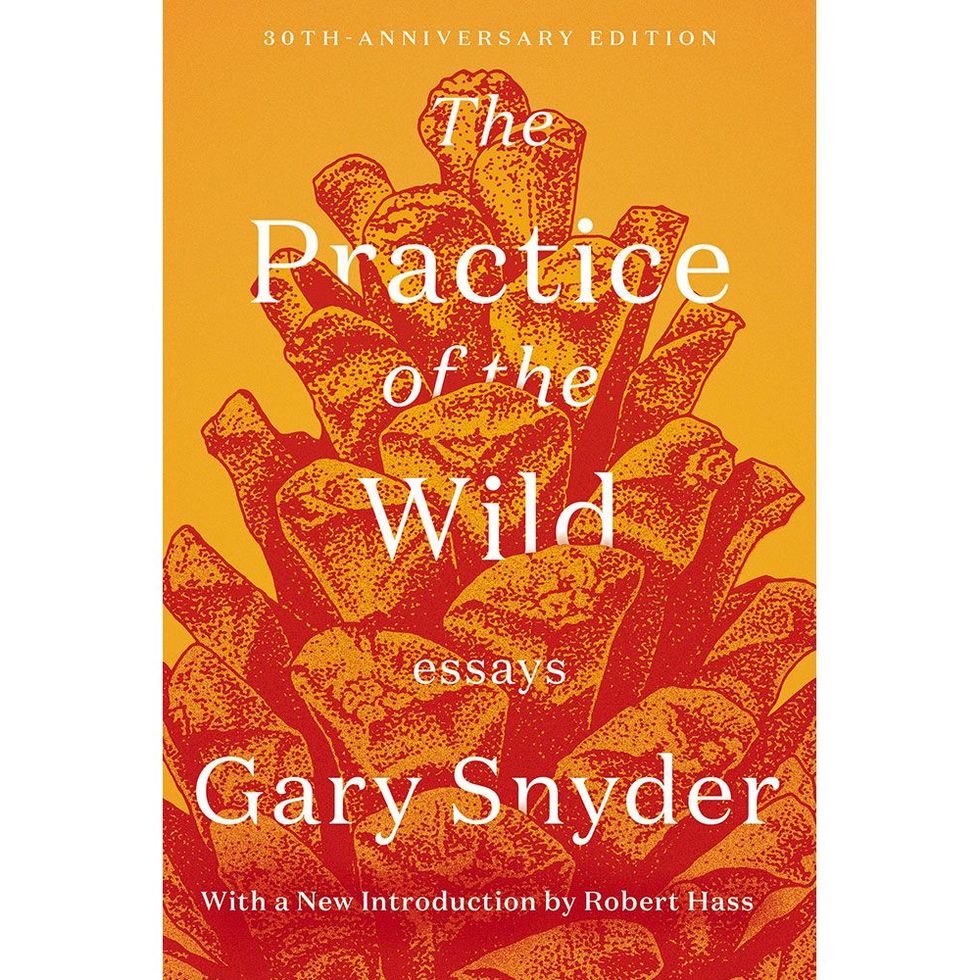
The beauty of California and the West remains astonishing, even as human activity transforms the landscape. In 1959, Edward Teller warned officials and oil companies about the potential for climate change devastations, and that same year, poet and environmentalist Gary Snyder published Riprap, the chapbook that would kick off his lifetime of deep and concise ecological writings. The poems juxtapose plainly beautiful impressions of nature with striking intimations of the things that threaten it; this chapbook was later coupled with Cold Mountain Poems, a translation of the Chinese poet Han-shan’s work. Like other Northern Californian poets of the past century, Snyder places no intermediaries between the reader and things themselves; nature is part of us, and we are part of it. An understanding of this porousness between the human and the wild also seems to seep into Snyder’s 1990 book of nine essays, The Practice of the Wild. It takes us from the West Coast into stories of people’s wilderness practices around the globe. Rather than escape into a sharp-angled estrangement from nature and the wild, Snyder seemingly exhorts us, Why not live in synergy with them?
BUY THE BOOKS
RIPRAP AND COLD MOUNTAIN POEMS, BY GARY SNYDER
THE PRACTICE OF THE WILD: ESSAYS, BY GARY SNYDER
RELATED STORIES